
Keywords form the very foundation of any successful SEO campaign. As a senior SEO specialist with over a decade of experience optimizing everything from enterprise-level e-commerce platforms to niche blogs for clients at Tendify.IO, I’ve seen firsthand how mastering keyword research can transform a site’s visibility, drive qualified traffic, and boost conversions dramatically. In 2026, keyword research isn’t just about finding high-volume terms—it’s about aligning with evolving user intent, leveraging AI-powered search behaviors, and building a balanced portfolio that mixes quick wins with sustainable authority.
This lesson dives deep into professional-grade keyword research using leading tools like Ahrefs, SEMrush, and Google Keyword Planner. We’ll explore the critical distinctions between broad short-tail keywords (which deliver massive traffic potential but fierce competition and often lower conversions) and precise long-tail keywords (which attract lower individual volumes but convert at significantly higher rates—often 2.5x or more). By the end, you’ll know how to construct a strategic keyword portfolio that secures early traction while positioning your site for long-term market dominance in an era where AI overviews and conversational queries dominate.
Understanding Short-Tail vs. Long-Tail Keywords in 2026
Short-tail keywords, often called “head” terms, consist of one or two words—like “SEO tools” or “coffee maker.” These broad phrases command enormous search volumes, sometimes in the hundreds of thousands monthly, making them attractive for brand awareness and top-of-funnel traffic. However, they come with intense competition from established sites, high keyword difficulty scores (frequently 70+ in tools like Ahrefs), and vague user intent. Searchers using short-tail terms are typically in discovery mode—researching options without strong purchase commitment—leading to lower conversion rates, often below 2-3%.
In contrast, long-tail keywords (three or more words, such as “best drip coffee maker for home under $100” or “how to optimize website for AI search in 2026”) represent the majority of modern searches—estimates place them at over 90% of all queries. These specific phrases reflect clearer user intent: informational, navigational, commercial, or transactional. Because they match exact needs, long-tail traffic converts far better—frequently 2.5x higher than short-tail equivalents—and faces much lower competition. In 2026, with AI-driven features like Google’s AI Overviews absorbing many informational short-tail queries, long-tail terms become even more valuable as they often escape full summarization, driving clicks to detailed, authoritative content.
The strategic sweet spot lies in balance. Short-tail keywords build topical authority and attract broad audiences, feeding your site’s overall domain strength. Long-tail keywords deliver quicker rankings, higher ROI, and immediate conversions. A well-rounded portfolio might allocate 20-30% effort to competitive head terms for long-term growth and 70-80% to long-tail clusters for faster results and revenue impact. This approach mirrors what top-performing sites do: dominate niches with specificity while gradually challenging broader categories.
Core Keyword Research Tools: Ahrefs, SEMrush, and Google Keyword Planner
Professional keyword research in 2026 demands reliable data sources. Ahrefs excels in backlink-powered insights and precise keyword difficulty (KD) metrics, making it ideal for competitive analysis. Its Keywords Explorer provides search volume, traffic potential (accounting for clicks and SERP features), and parent topic clustering—crucial for identifying content hubs.
SEMrush stands out for its Keyword Magic Tool, which generates massive lists from seed terms and includes intent filters, keyword gap analysis against competitors, and AI-enhanced suggestions. It’s particularly strong for enterprise workflows, offering visibility into PPC data that indirectly informs organic strategy.
Google Keyword Planner remains the free powerhouse, pulling directly from Google’s ecosystem for accurate volume ranges and competition levels (ad-focused but useful for SEO proxies). While it lacks advanced metrics like exact KD, it’s unbeatable for validating ideas with real search demand, especially when combined with Google Search Console data.
Start every session with seed keywords—broad terms describing your niche (e.g., “SEO course,” “keyword research guide”). Input them into tools to expand into thousands of variations. Always filter by location, language, and device to match your audience.
Step-by-Step Keyword Research Process Using Professional Tools
Begin with brainstorming: List 5-10 seed keywords from your business, audience pain points, and competitor sites. Use free tools like Ahrefs’ Keyword Generator or AnswerThePublic for initial expansion.
Move to Ahrefs Keywords Explorer: Enter seeds, select your target country, and review the “Matching terms” or “Related terms” reports. Key metrics include:
- Volume: Monthly searches.
- KD: Difficulty to rank (aim for <30 for quicker wins).
- Traffic Potential: Realistic clicks considering SERP competition.
- CPC: Indicates commercial value.
Filter aggressively: Volume >100, KD <40, high traffic potential. Examine SERP overview for features (AI Overviews, featured snippets) and top-ranking content gaps.
Switch to SEMrush Keyword Magic Tool: Input seeds, explore broad/phrase/exact match filters. Use intent categorization (informational, commercial, etc.) to prioritize. Run Keyword Gap analysis by entering your domain and 3-5 competitors to uncover untapped opportunities.
Incorporate Google Keyword Planner: Access via Google Ads (free with basic account). Discover new keywords or get forecasts for lists. Focus on “top of page bid” as a proxy for value—higher bids signal stronger commercial intent.
Cluster keywords: Group by parent topics (Ahrefs) or themes (SEMrush). For example, cluster “best SEO tools 2026,” “free SEO tools for beginners,” and “Ahrefs vs SEMrush” under a pillar page on “SEO Tools Comparison.”
Prioritize: Score opportunities using a formula like (Volume × Intent Score × Conversion Likelihood) / KD. Target quick wins first (low KD, high intent) for momentum, then scale to authority-building terms.
Advanced Techniques: Intent Mapping and Portfolio Building
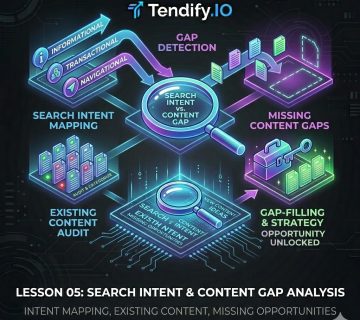
User intent has never been more critical. In 2026, AI search engines decode nuance—informational queries dominate AI summaries, while commercial/transactional ones drive clicks. Map keywords to funnel stages:
- Awareness/Informational: “What is keyword research” → Blog guides.
- Consideration/Commercial: “Best keyword research tools 2026” → Comparisons.
- Decision/Transactional: “Buy Ahrefs subscription discount” → Landing pages.
Build clusters around pillar content (broad short-tail) supported by 10-20 long-tail cluster pages. This topical authority signals expertise to Google.
Balance your portfolio: 10-20% high-volume short-tail for brand building, 40-50% mid-tail for growth, and 30-40% long-tail for conversions. Refresh quarterly as trends shift with AI and seasonal changes.
Monitor with tools: Track rankings in Ahrefs/SEMrush, analyze performance in Google Search Console, and refine based on real clicks/conversions.
Common Pitfalls and Pro Tips for 2026
Avoid volume obsession—high-volume terms rarely convert without authority. Ignore vanity metrics; focus on business-aligned keywords.
Pro tip: Use AI for brainstorming (e.g., prompt large language models for question variations), but always validate with tool data—AI hallucinates volumes.
Another: Analyze SERPs manually. If top results are forums or videos, create better versions.
Incorporate emerging trends: Voice/conversational searches favor natural long-tail phrases.
Conclusion: Mastering Keyword Research for Lasting SEO Success
Keyword research mastery turns guesswork into precision strategy. By blending short-tail ambition with long-tail efficiency and leveraging tools like Ahrefs, SEMrush, and Google Keyword Planner, you’ll uncover opportunities competitors miss. This balanced portfolio approach—quick wins fueling momentum, long-term plays building dominance—has powered countless sites to page-one results and sustained growth at Tendify.IO.
SEO rewards those who understand searchers deeply. Commit to this process, iterate relentlessly, and watch your organic presence soar.
Ready to level up? Continue with the next lessons in this series at Tendify.IO—from on-page optimization to technical SEO mastery and beyond. Your site’s breakthrough awaits in the pages ahead. Keep learning, keep optimizing!




No comment